


Contents
How to Set Up Keyless Entry for Your Front Door: A Comprehensive Guide
Introduction
Imagine this: you’re juggling grocery bags, your toddler, and just remembered you left your keys on the kitchen counter. Frustrating, right? It’s a common scenario that many homeowners experience, and it’s precisely why keyless entry systems have grown in popularity. No more fumbling with keys and no more worrying about getting locked out. With a keyless entry system for your front door, accessing your home becomes convenient, secure, and hassle-free.
In this article, we’ll delve into the ins and outs of setting up a keyless entry system for your front door. We’ll cover everything from understanding the different types of keyless entry systems to step-by-step installation guides and maintenance tips. By the end, you will be armed with actionable insights that will simplify your home access and enhance your home’s security.
Why Choose Keyless Entry?
Before we jump into the installation process, let’s discuss some compelling reasons why investing in a keyless entry system is worthwhile.
- Convenience: You can unlock your door with a code, smartphone, or even your fingerprint, making it much easier than fumbling for your keys.
- Enhanced Security: Most keyless entry systems allow you to create unique codes for family members or guests, which you can easily change or delete as needed.
- Remote Access: Many smart locks can be controlled through a smartphone app, enabling you to let people in when you aren’t home – perfect for service personnel or unexpected guests.
- Activity Monitoring: Many modern systems allow you to monitor who enters and exits your home, providing an additional level of security.
Types of Keyless Entry Systems
Before you dive into an installation, it’s essential to know the different types of keyless entry systems available. This knowledge will help you choose the best option for your needs.
- Keypad Locks: These locks require a numerical code for access. They are easy to install and do not require a smartphone.
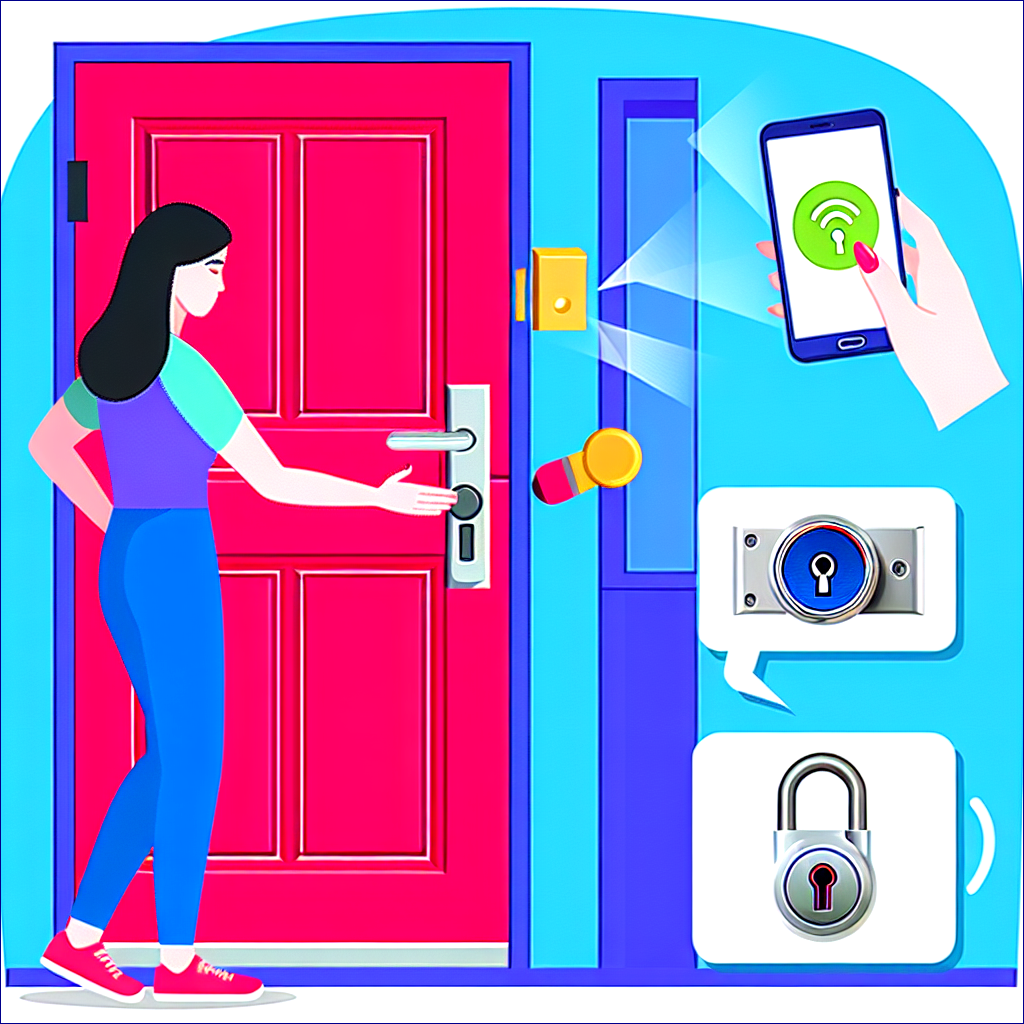
- Smart Locks: These locks connect to your home’s Wi-Fi network, allowing you to control them via a smartphone app. They may also include features like temporary access codes or integration with smart home systems.
- Biometric Locks: These high-security locks use fingerprints or facial recognition technology for access. They are less common but provide an unparalleled level of security.
- Proximity Locks: These systems recognize smart devices (like smartphones or key fobs) when they are nearby, unlocking the door automatically.
- Remote-Controlled Locks: Similar to smart locks, these require a remote control for access.
Selecting the Right Keyless Entry System
- Consider Your Needs: Think about how often you have guests and who might need access. If you frequently have visitors, a keypad or smart lock with temporary codes might be the best option.
- Evaluate Security Features: Look for models that offer tamper alerts, auto-lock features, and backup physical keys for emergencies.
- Check Compatibility: If you are opting for a smart lock, ensure it is compatible with your existing door, deadbolt, and any smart home systems you may own.
- Read Reviews: Research user reviews and expert recommendations to find a product that stands the test of time.
Step-by-Step Guide to Setting Up Keyless Entry for Your Front Door
Now that you’ve chosen the right keyless entry system, it’s time to get started on the installation. Here’s a step-by-step guide to help you through the process.
Step 1: Gather Your Tools
Before you begin, make sure you have the following tools on hand:
- Screwdriver
- Drill (if required for your lock type)
- Measuring tape
- Level
- Pliers
Step 2: Remove Existing Hardware
- Start by removing the old lock. Use a screwdriver to take off the screws holding the lock and handle in place.
- Detach the inside and outside components of the door lock. Depending on the model, you may need to unscrew both sides.
- Clean up the area. Remove any debris around the hole where the lock was installed.
Step 3: Prepare for the New Lock
- Check the door thickness. Most locks are designed for standard doors, but some require adjustments based on thickness.
- Measure the backset (the distance from the edge of the door to the center of the lock) to ensure your new lock aligns properly.
- If your new lock requires modifications, drill according to the manufacturer’s specifications. Be cautious to avoid damaging the door.
Step 4: Install the Keyless Entry Lock
- Follow the manufacturer’s instructions for your specific model. Most keyless entry systems involve placing the exterior keypad and main lock mechanism into the drilled hole.
- Secure the outside part of the lock with screws, ensuring it is straight using a level.
- Attach the interior component of the lock. Ensure all screws are tightened securely from the inside.
- If your lock needs a battery, insert it according to the instructions.
Step 5: Program Your Keyless Entry System
- Depending on your system, you may need to download an app or refer to the control panel of your lock to program it.
- Set your master code, which will be used to access or change the settings.
- If applicable, create individual codes for family members, friends, or service workers.
- Follow instructions for connecting the lock to Wi-Fi (if it’s a smart lock), ensuring you can control it remotely.
- Test the lock by entering the code you just programmed, and ensure it functions as expected.
Step 6: Final Checks and Maintenance
- Make sure all components are working. Test entry from both inside and outside.
- Check if there are any warning alerts available for battery or technical issues.
- Review any maintenance requirements outlined in the user manual to ensure your keyless entry system will keep functioning smoothly.
- Share codes and instructions with family members or trusted individuals who may need access.
Maintaining Your Keyless Entry System
Just like any other part of your home, your keyless entry system needs a little maintenance to ensure it remains effective and secure:
- Regular Battery Checks: For battery-operated locks, check the battery level periodically. Most systems will alert you if the battery is running low.
- Code Management: Periodically change your codes, especially if someone who had access no longer requires it.
- Keep Firmware Updated: For smart locks, ensure that any firmware updates are applied; this may help with security vulnerabilities.
- Clean Your Lock: Occasionally wipe down keypad or biometric areas to ensure they are free of dirt and dust.
- Perform Tests: Monthly checks to ensure that all entry methods (codes, smartphone access, etc.) are working as they should can save you from emergencies later.
Conclusion
Setting up a keyless entry system for your front door can greatly enhance your home’s security and convenience. By choosing the right system, following the installation steps, and committing to regular maintenance, you can ensure a smooth and secure experience for years to come. Whether you’re tired of digging through your bag for keys or simply looking to modernize your home, keyless entry is a significant upgrade that aligns with today’s smart home innovations.
Embrace this new technology and enjoy the freedom of not worrying about misplacing your keys ever again!
Explore the possibilities of smart home entry systems. Check out our extensive collection of product reviews to find the perfect entry solutions for your home. Don’t miss our latest review of the
innovative smart keypad door lock, designed for security and convenience. For more insights and creative ideas, visit this comprehensive guide on smart home systems.
Secure and simplify your home today!
