


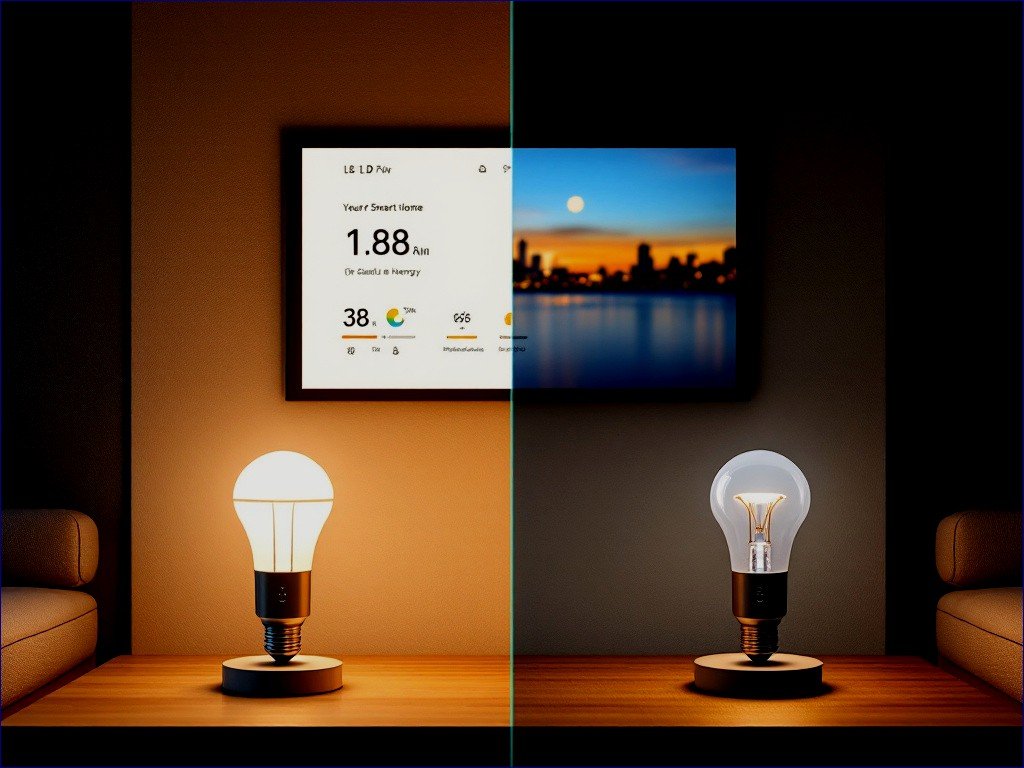
In today’s fast-paced world, where innovation meets our daily lives, the tools we use to illuminate our homes are evolving. Many consumers find themselves at a crossroads between traditional incandescent bulbs and the new wave of smart light bulbs. Why make the switch? This article will delve into the significant benefits of smart light bulbs, the limitations of traditional bulbs, and the broader implications for convenience, efficiency, and energy savings. By the end of this read, you’ll have a clear understanding of why transitioning to smart light bulbs can be a game changer for your home and lifestyle.
Contents
The Rise of Smart Light Bulbs
Smart light bulbs are part of the rapidly growing Internet of Things (IoT), allowing for enhanced control over your home lighting. These bulbs are not merely brighter or longer-lasting versions of traditional bulbs; they come packed with features that can significantly improve your quality of life.
What Are Smart Light Bulbs?
Smart light bulbs are LED lights that can be controlled remotely via a smartphone app, voice commands, or home automation systems. They offer a variety of features, including:
- Color Change: Many smart bulbs allow you to choose from millions of colors to set the mood or match your décor.
- Scheduling: You can program them to turn on and off at specific times.
- Energy Monitoring: Keep track of energy usage and adjust your habits accordingly.
- Remote Access: Control your lights from anywhere – you need not be at home to adjust your lighting settings.
The Limitations of Traditional Light Bulbs
Traditional incandescent bulbs have been a staple in homes for over a century. However, they come with several downsides that smart bulbs address effectively.
1. Energy Inefficiency
Traditional bulbs are notorious for consuming excessive energy. They convert less than 10% of the energy they use into visible light, with the rest being wasted as heat. For those looking to reduce electricity bills and make eco-friendly choices, this inefficiency can be a significant drawback.
2. Limited Lifespan
With an average lifespan of about 1,000 hours, traditional bulbs require frequent replacements. This not only leads to ongoing costs but also creates unnecessary waste, as discarded bulbs contribute to landfill issues.
3. Lack of Customization
Traditional bulbs offer minimal functionality. You can turn them on or off, but that’s essentially where the capabilities end. If you want to create ambiance or adjust lighting throughout the day, you’re stuck using multiple lamps or fixtures and constantly moving between them.
The Benefits of Switching to Smart Light Bulbs
1. Cost Efficiency in the Long Run
Although smart light bulbs typically have a higher upfront cost than traditional bulbs, they save money over time. Here’s how:
- Energy Savings: Smart bulbs use LED technology, which is significantly more energy-efficient. They can consume up to 80% less energy than incandescent bulbs, translating to lower utility bills.
- Longevity: Smart bulbs can last upwards of 15,000 to 50,000 hours, depending on the model. This durability reduces the need for frequent replacements, saving you money over time.
2. Enhanced Control and Convenience
Imagine walking into a room and having the lights automatically adjust to your preferred brightness or color—all without needing to flip a switch. Smart light bulbs can be programmed to fit your lifestyle:
- Personalized Atmosphere: Create different “scenes” in your home. Whether you want a cozy warm light for movie night or bright white light for reading, smart bulbs can adapt.
- Remote Access: Forgot to turn off the lights? No problem! With smart bulbs, you can control your lights from anywhere via an app.
- Integration with Other Devices: Connect smart light bulbs with other smart home devices. For instance, set your lights to mimic natural light patterns to help regulate your sleep cycle.
3. Increased Safety and Security
Leaving home for an extended period can be worrisome, but smart light bulbs can help ease your mind:
- Automated Schedule: Set your lights to turn on and off at random intervals while you’re away—simulating occupancy and deterring potential intruders.
- Alerts and Notifications: Many smart bulbs can send alerts to your phone, letting you know if a light was left on inadvertently.
4. Environmental Impact
Making the switch to smart light bulbs aligns with a growing desire for sustainability:
- Reduced Carbon Footprint: Using energy-efficient lighting lowers your electricity consumption, which in turn reduces greenhouse gas emissions from power plants.
- Less Waste: Given their longevity and energy efficiency, less frequent replacements mean reduced waste and packaging.
Real-Life Scenarios: Smart Light Bulbs in Action
Scenario 1: The Busy Family
Consider a family where everyone has a different schedule. With smart light bulbs, parents can set the kitchen lights to gradually brighten at sunrise to help wake up the kids. In the evening, the lights can dim in the living room for family movie night. Flexibility and automation facilitate a better home environment tailored to their lifestyles.
Scenario 2: The Pet Owner
For pet owners who travel frequently, smart light bulbs provide reassurance. You can schedule lights to turn on in the evening to create a sense of routine for your pet, reducing anxiety. Additionally, you can monitor lights from your smartphone to ensure everything is as it should be.
Scenario 3: The Elderly
For older adults or those with mobility challenges, smart lighting brings peace of mind. Voice-activated commands or smartphone controls can make it easier to turn on lights without having to navigate through the house during the night.
How to Make the Switch to Smart Light Bulbs
Ready to switch to smart light bulbs? Here’s a straightforward plan to get started:
1. Choose the Right Bulbs
Determine your needs based on your home set-up. Do you need LED, color-changing, or adjustable brightness bulbs? Research popular brands like Philips Hue, LIFX, or Wyze to find products that suit your requirements.
2. Set Up a Smart Hub (if Necessary)
Some smart bulbs require a hub to connect them to your Wi-Fi network, while others do not. Consider investing in a smart assistant like Amazon Alexa or Google Assistant if you plan on incorporating multiple devices.
3. Install and Configure Your Bulbs
Replace your traditional bulbs with the smart ones and follow the manufacturer’s instructions to connect them to your smart devices. Most apps will guide you step-by-step.
4. Explore Features and Set Preferences
Experiment with the different functionalities such as setting schedules, creating scenes, and adjusting brightness or colors. The more you use your smart bulbs, the more you’ll discover features that fit your lifestyle.
5. Monitor Energy Usage
Utilize the energy monitoring features in your smart bulbs to keep track of energy consumption, allowing you to modify your habits as needed.
Conclusion: Embrace the Change
The transition from traditional bulbs to smart light bulbs is more than just an upgrade in technology; it’s about enhancing the way we live, creating sustainable practices, and making our homes more secure and adaptable to our needs. As the world leans more towards smart solutions, now is the perfect time to join the revolution.
By making the switch to smart light bulbs, you not only invest in a more convenient and enjoyable home environment, but you also contribute to energy efficiency and environmental sustainability. So, are you ready to light up your life intelligently? The future of home lighting awaits, and it’s brighter than ever!
Discover everything you need to know about smart home lighting. Browse our comprehensive collection of product reviews to find the best lighting solutions for your home.
Don’t miss our latest review of an innovative smart lighting product designed to enhance your living space.
For more inspiration and ideas, check out this innovative lighting guide.
Let’s brighten up your home today!
